Soft, Chic & Sleep-Ready: Your Spring/Summer Pyjama Guide


As winter draws to a close and spring approaches, our wardrobes naturally begin to shift. Heavy layers make way for lighter silhouettes, breathable fabrics and pieces designed to move with the changing temperature. The same thinking can be applied to what we wear to bed.
It is easy to assume that preparing for warmer weather simply means swapping long pyjamas for shorts and camisoles. But the length of a set is only one part of the equation. Fabric, weight, texture and fit can all influence how comfortable sleepwear feels throughout the night. A short pyjama set can still feel warm if it is made from a heavy or less breathable material. Likewise, a longer set crafted from a lightweight fabric can feel perfectly comfortable on a cooler spring evening. As the seasons shift, fabric becomes just as important as silhouette.
6 Fabrics to Consider for Spring Sleepwear
1. Cotton: The Everyday Classic
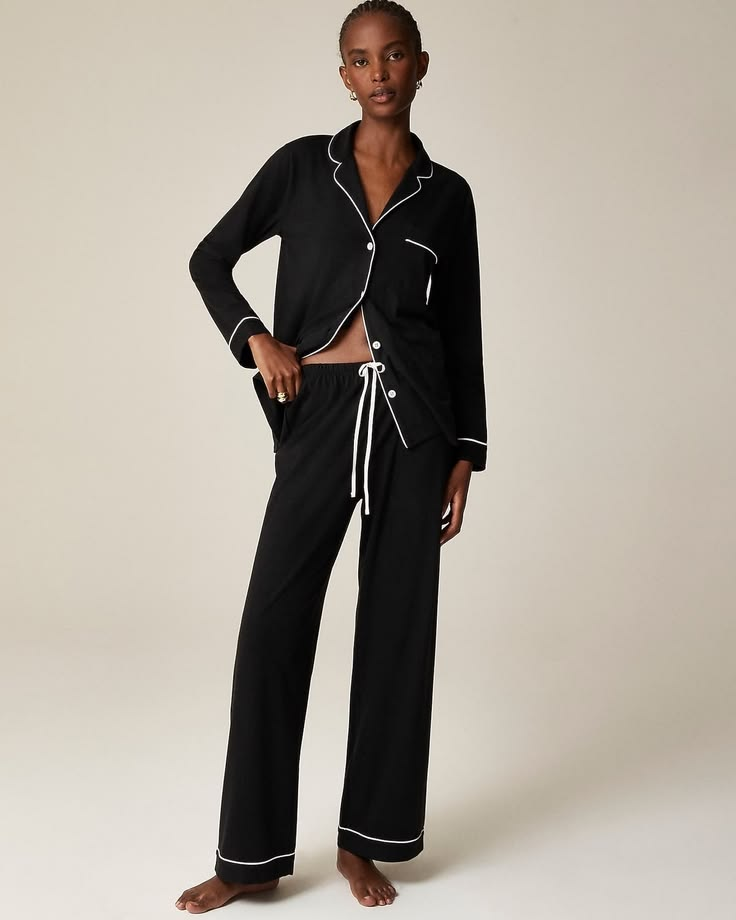
Cotton remains one of the most practical choices for sleepwear. Soft, familiar and breathable, it is well suited to nights when temperatures fluctuate between cool and warm. The feel of cotton can also vary depending on how it is woven. Cotton jersey has a soft, stretchy quality similar to a favourite T-shirt, making it ideal for relaxed sleepwear. Cotton poplin, meanwhile, has a smoother, slightly crisper finish. For spring, lightweight cotton offers a comfortable balance between breathability and coverage without feeling unnecessarily heavy.
2. Linen: Light and Airy
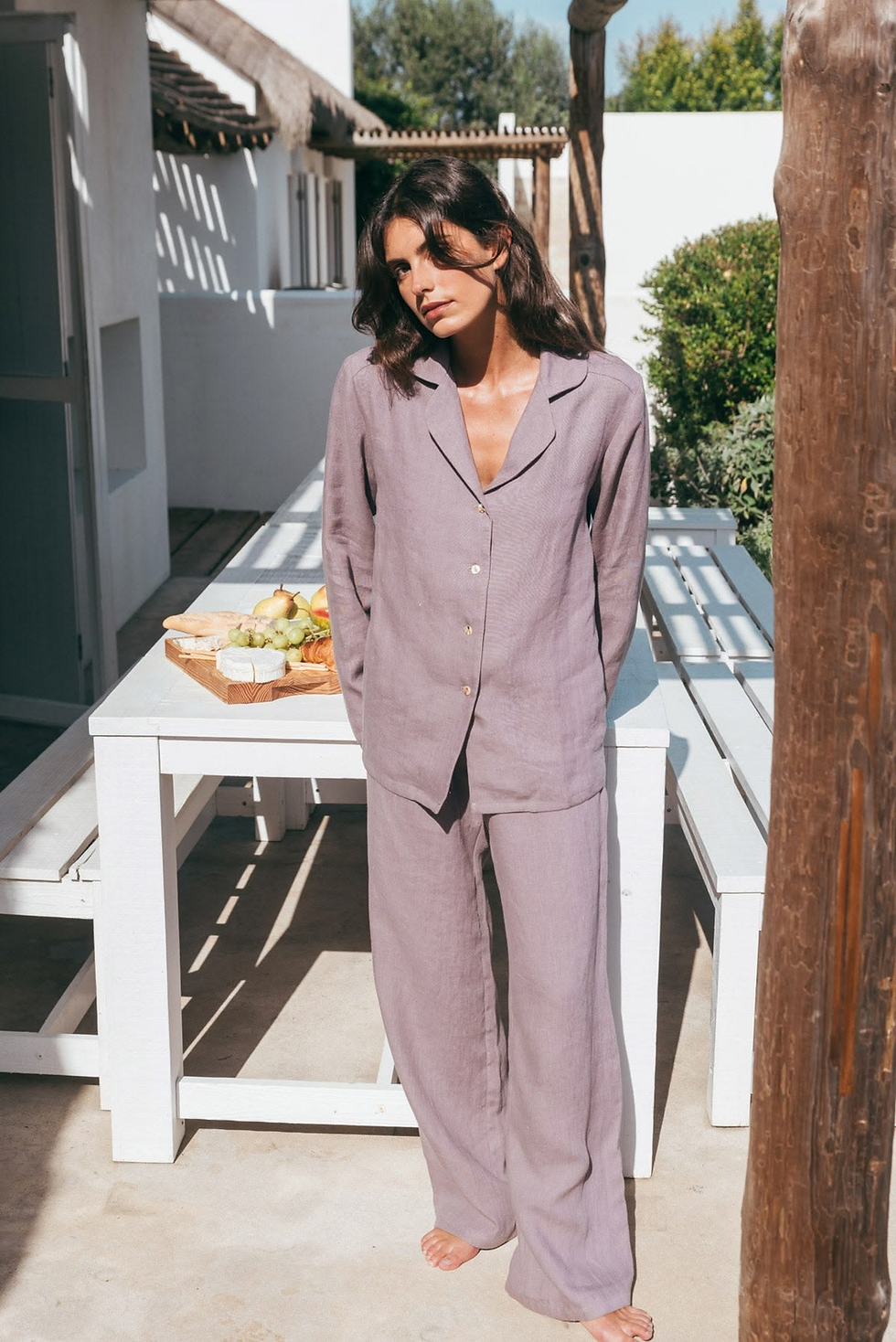
Linen is another natural choice as temperatures begin to rise. Lightweight and breathable, it has a naturally relaxed texture that lends itself beautifully to warmer-weather dressing. A cotton-linen blend can be a particularly appealing option for those who love the look of linen but prefer a softer feel against the skin. Linen can feel slightly crisp when new, but tends to soften with wear. For spring nights, a loose linen or cotton-linen set offers an easy combination of comfort and understated style.
3. Bamboo-Derived Fabrics and Modal: Soft and Fluid
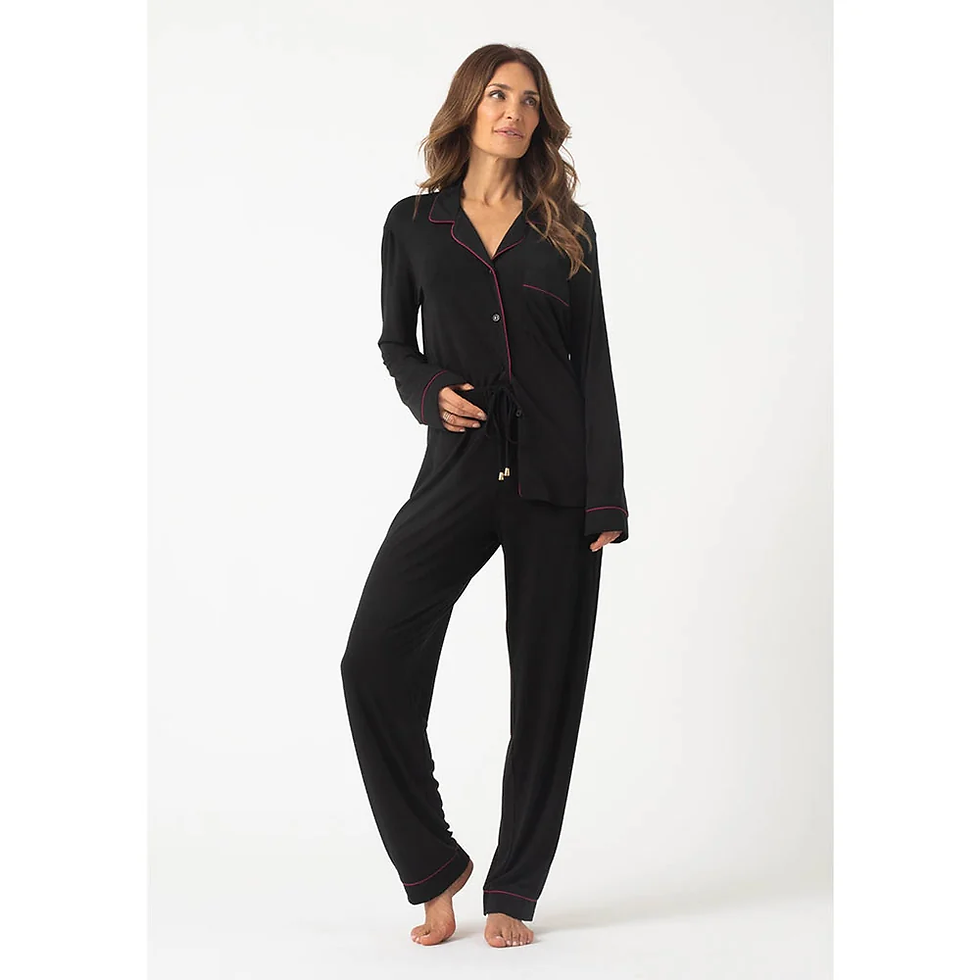
For those drawn to sleepwear with a smooth, soft finish, bamboo-derived fabrics and modal are worth considering. Bamboo-derived fabrics are often known for their soft feel, while modal is particularly recognised for its smooth texture and fluid drape. Both are commonly used in lightweight sleepwear and can be comfortable options for warmer nights. Their soft finish also makes them appealing to those who prefer sleepwear that moves easily with the body rather than feeling structured.
4. Silk: Lightweight Luxury

Silk is often chosen for its luxurious appearance and smooth texture, but it can also be a considered choice for warmer nights. Lightweight and breathable, it is frequently used in sleepwear designed to feel cool and fluid against the skin. A silk camisole and shorts set can make an elegant spring option for anyone looking for something lightweight without sacrificing polish. The trade-off is care: silk is more delicate than everyday fabrics such as cotton and typically requires more careful washing and maintenance.
5. Satin: Look Beyond the Shine

Satin has long been a favourite in sleepwear, thanks to its smooth texture and glossy finish. But when choosing satin for warmer weather, it is worth looking beyond the shine. Satin is a type of weave rather than a specific fibre. It can be made from silk, polyester, viscose, nylon and other materials, meaning two sets labelled satin can feel remarkably different when worn.
This is where checking the fabric composition becomes important. A silk satin set and a polyester satin set may share a similar appearance, but they will not necessarily feel the same or offer the same breathability. So, if you love the look of satin, let the shine draw you in, but check the label before making the final decision.
6. Seersucker: Texture With a Purpose

For those who prefer a little more texture, seersucker makes an interesting spring option. Its naturally puckered surface means the fabric does not sit completely flat against the skin, creating a light, airy feel and helping prevent the material from clinging closely to the body. A lightweight seersucker short set can be particularly suited to warmer spring nights, while offering something different from the smoother textures of cotton jersey or silk.
What About Flannel and Fleece?
The arrival of spring does not necessarily mean every warmer sleepwear set needs to be packed away. Flannel and fleece are generally better suited to colder weather because they are heavier and designed to provide warmth. Flannel, for example, has a brushed surface that contributes to its soft, warm feel.
That does not make them irrelevant once spring arrives. They can still have a place in the wardrobe during cooler evenings, particularly when temperatures fluctuate. The key is to dress for the night ahead rather than following a strict seasonal rule.
What to Look for When Choosing Spring Sleepwear
As temperatures rise, choosing the right pyjamas becomes a consideration of fabric, fit and breathability. Look beyond labels such as satin or bamboo and check the actual fabric composition. Lightweight materials such as cotton, linen, silk, modal and bamboo-derived fibres can be worth considering, depending on your preferences.
Fit matters, too. Relaxed silhouettes can allow for more movement and airflow, while breathable fabrics can help you feel more comfortable throughout the night. And because spring weather rarely follows a perfect script, it is worth keeping both lightweight and slightly warmer sets in rotation.
Making the Seasonal Switch
Updating your sleepwear for spring does not have to mean replacing every pair of long pyjamas with shorts. Instead, it is about paying closer attention to what you are wearing and choosing pieces that suit the temperature. Ultimately, the best spring sleepwear is not necessarily the shortest or most fashionable set. It is the one that strikes the right balance between comfort, breathability, fabric and personal style. As we welcome a new season, perhaps our night-time wardrobes deserve the same consideration as the rest of our seasonal dressing. After all, getting dressed for spring does not end when the sun goes down.