


The Rise Of The Manosphere And How Toxic Masculinity Content Is Creating A Generation Of Lonely Men


A growing crisis is quietly reshaping relationships, families and the emotional health of men around the world. It hides behind viral clips, self improvement podcasts, “alpha male” motivation videos and dating advice threads. But beneath the aesthetics of confidence, wealth and dominance lies something far more troubling: a deepening epidemic of male loneliness, anger and emotional isolation.
What began as fragmented online spaces for men discussing dating frustrations, masculinity and self improvement has evolved into what researchers and advocacy groups now describe as the “manosphere”, a sprawling digital ecosystem of influencers, forums and communities promoting rigid, aggressive and often misogynistic ideas about manhood. At its most extreme, the manosphere frames women, feminism and gender equality as the source of men’s suffering.
And increasingly, its influence is moving offline.
Online misogyny is no longer confined to obscure corners of the internet. It is showing up in classrooms, workplaces, marriages and intimate relationships. It is shaping how some young men understand power, love, emotional vulnerability and identity. What is often sold as empowerment is, in many cases, creating emotionally disconnected men who struggle to maintain healthy relationships, experience intimacy or build genuine community.
The result is a paradox at the center of modern masculinity culture: content that promises strength and belonging may actually be worsening the loneliness it claims to solve.
How Social Media Algorithms Are Feeding The Male Loneliness Crisis ?
The manosphere thrives because social media platforms reward outrage, certainty and emotional provocation. Algorithms are engineered to maximize engagement, not emotional wellbeing. A teenager watching fitness content or breakup advice can quickly be funneled toward increasingly radical material about female “nature,” male dominance and anti feminist rhetoric.
Platforms like YouTube, Discord, X and anonymous forums, have become fertile ground for these ideologies to spread. Much of the content is disguised as productivity advice, dating strategy or self improvement. But the messaging often escalates over time.
A user who engages with mildly sexist humor or “high value male” content is frequently recommended more extreme narratives. Over time, algorithms can create echo chambers that normalize hostility toward women, feminism and gender equality itself.
This progression is what experts increasingly describe as a radicalization pipeline.
It often begins with entry level content focused on confidence, fitness or dating. Then comes normalization of resentment toward women. From there, users are introduced to “red pill” ideology, the belief that society is fundamentally anti-male and that feminism has manipulated culture against men.
The appeal is psychological as much as ideological.
Being “red pilled” offers something emotionally intoxicating; the feeling that you have discovered a hidden truth the rest of society cannot see. It transforms personal pain into moral superiority. Rejection becomes proof of societal corruption. Loneliness becomes evidence that men are the “real victims.” For many isolated young men, that message lands powerfully.
A Generation Of Lonely Men Is Being Radicalized Online
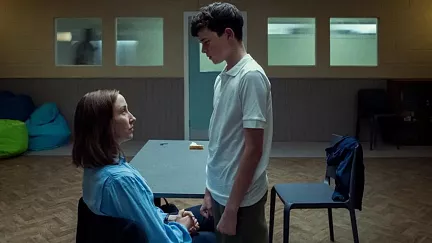
The popularity of manosphere content cannot be separated from the broader loneliness crisis affecting men globally. Many young men today report feeling disconnected, emotionally unseen and uncertain about their role in modern society.
Traditional models of masculinity taught generations of men to suppress vulnerability, avoid emotional openness and tie self worth to status, dominance and financial success. The internet stepped into that vacuum.
The manosphere offers what many lonely men are searching for: identity, belonging and community. It gives emotionally isolated men a language for their frustrations and a tribe that validates their experiences.
But there is a dangerous catch. Rather than encouraging emotional intelligence, therapy, friendship or healthier relationship dynamics, many manosphere influencers redirect male pain outward. Women become the enemy. Feminism becomes the explanation. Emotional vulnerability is mocked as weakness.
Men are taught to equate masculinity with emotional detachment, aggression and control. Compassion becomes “soft.” Partnership becomes power struggle. Intimacy becomes transactional.
And ironically, these beliefs often make genuine connection even harder to achieve.
The Manosphere Isn’t Creating Strong Men — It’s Creating Isolated Ones And Destroying Relationships In The Process

The impact is increasingly visible inside modern relationships.
Many women report growing hostility from male partners immersed in manosphere content. Online language once limited to fringe communities. Phrases like “alpha,” “female nature,” “submission,” “hypergamy” and “AWALT” (“all women are like that”) is becoming more mainstream in dating culture.
These ideologies often encourage men to view relationships through dominance hierarchies rather than emotional partnership. Women are reduced to stereotypes. Empathy is replaced with suspicion. Mutual respect is reframed as weakness.
Over time, this creates emotionally volatile relationships built on control, resentment and insecurity rather than trust.
At the extreme end, researchers and advocacy organizations have linked parts of the manosphere ecosystem to harassment, domestic abuse and even real world violence. Certain incel communities openly glorify coercion, misogyny and violence against women.
But the damage is not limited to women. Men themselves are paying a steep psychological price.
The same communities that promise empowerment frequently discourage emotional support, vulnerability and mental health care. Men struggling with depression, rejection or insecurity are often told to suppress emotion and double down on dominance instead. That emotional isolation can become devastating.
As male loneliness intensifies globally, mental health experts continue to warn about rising depression, anxiety and suicide rates among men. A culture that teaches men to avoid vulnerability while blaming others for their pain leaves very little room for genuine healing.
How The Manosphere Turned Male Insecurity Into A Multi Billion Dollar Industry
The manosphere is also highly profitable. Influencers monetize male insecurity through courses, subscription communities, coaching programs and viral content ecosystems. Anger drives clicks. Fear drives engagement. Outrage drives algorithms. The more emotionally reactive the audience becomes, the more profitable the content often is.
What makes this especially concerning is how young many of these audiences are. Teenage boys searching for advice about confidence, dating or purpose are increasingly encountering content that frames emotional control, dominance and misogyny as essential traits of masculinity.
In many cases, boys are learning about relationships from influencers before they learn emotional literacy from adults. That has long term cultural consequences.
Behind much of the manosphere’s “self improvement” messaging is a troubling belief that modern society is built to make men fail, with women and feminism framed as the reason for male loneliness, rejection and unhappiness. Young men are often told that depression is not real, vulnerability is weakness and that a man’s worth only comes from money, power, dominance and status, creating the idea that they must constantly “prove” their value while blaming women for their struggles.
Rather than encouraging healing, emotional growth or accountability, many manosphere influencers turn pain and childhood trauma into resentment, packaging controlling, aggressive and misogynistic behavior as masculinity while profiting from clicks, outrage and insecurity.
The saddest part is that many of these influencers likely would not want their own daughters dating the type of men they encourage young boys to become, revealing that much of the movement is less about helping men and more about monetizing anger.
Masculinity Does Not Need To Be Built On Misogyny

The rise of the manosphere reflects a real issue of how many men are struggling. Loneliness, identity confusion, economic anxiety and emotional isolation are legitimate problems deserving serious attention. But turning women into scapegoats will not solve them.
Healthy masculinity cannot be built on resentment, control or emotional suppression. Strength and emotional intelligence are not opposites. Neither are confidence and compassion.
What many men actually need is not domination, but connection. Community that encourages accountability instead of blame. Spaces where vulnerability is not punished. Role models who teach emotional resilience instead of aggression.
The conversation around men’s mental health matters deeply. But if that conversation becomes rooted in misogyny and grievance politics, it risks creating a generation of men who are more isolated, more angry and less emotionally equipped to build meaningful lives.
The tragedy of the manosphere is that it promises belonging while often pushing men further away from the very relationships and emotional support systems they need most.


