


What It Really Takes to Power an Alfa Romeo Team at Simola Hillclimb


After any race, the focus tends to settle on the obvious. The results, the standout images, the moments that get replayed and shared. It is what most people remember.
But there is an entire layer that exists just before and during the race, one that rarely makes it into those highlights. The preparation, the small routines, and the decisions that shape how a team shows up on the day. Spend a little time looking into that world, and the results begin to take on a different meaning.
For teams like Alfa Romeo, the focus is naturally on the car and the driver. That is where the spotlight tends to land. But step away from the track for a moment, and a different picture begins to form. One that reveals just how much goes into getting a team to the start line, let alone through a competitive weekend.
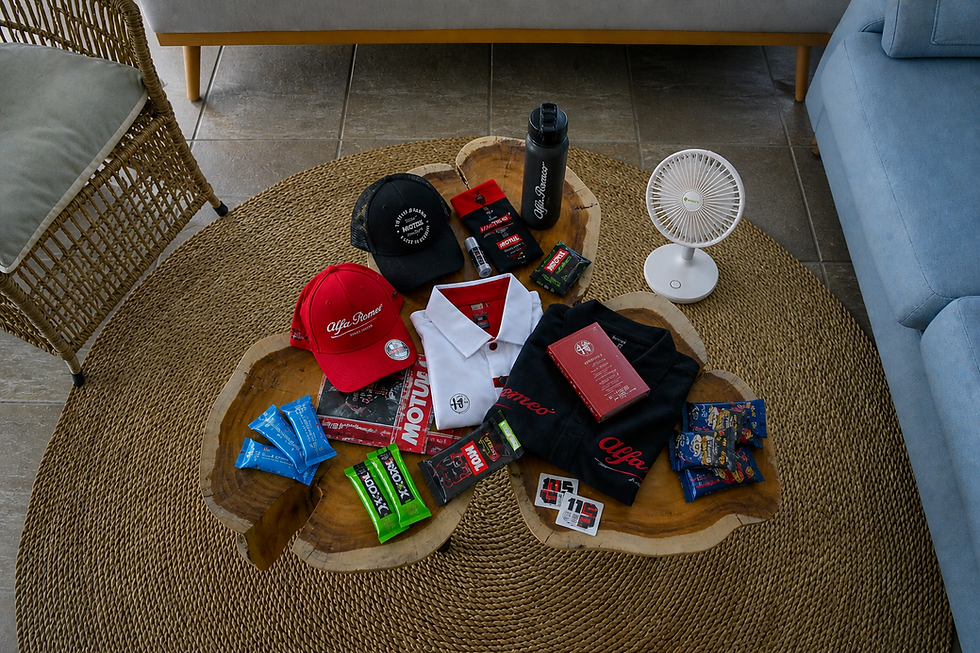
Because behind every timed run is a network of support that extends far beyond engineering. From what keeps the car running at its peak to what keeps the driver focused, cool, and physically ready, the modern motorsport effort is far more layered than it first appears.
And at Simola this year, that ecosystem was on full display.
The Foundations of Performance
At a glance, motorsport partnerships tend to follow a familiar script. Performance brands sit closest to the action, their role clearly defined in the pursuit of speed. But what becomes more interesting is how that circle has expanded.
For Alfa Romeo at the Simola Hillclimb, the support structure stretched beyond the expected, forming a layered ecosystem that addressed not just the car, but the conditions around it.

At its core were the fundamentals. Pirelli, a name synonymous with grip and control, quite literally anchored the cars to the tarmac. Every corner, every braking point, every surge of acceleration depends on that connection. Alongside it, Motul played a quieter but equally critical role, ensuring that the mechanical components operating under intense stress continued to perform without compromise.

These are the partnerships that make immediate sense. The ones that feel inseparable from motorsport itself. But they are only one part of the equation. Because once the helmet goes on and the engine fires, performance is no longer just mechanical. It becomes human.
Preparing the Driver
If the mechanical side of motorsport is easy to appreciate, the physical and mental demands on the driver are often underestimated. A few years ago, a short interview with Lewis Hamilton offered a glimpse into this reality, detailing just how much strain the body endures during a race. From maintaining a constantly engaged core through high-speed corners to staying mentally sharp enough to react in fractions of a second, the margin for error is almost non-existent.
For the Alfa Romeo drivers at the Simola Hillclimb, preparation extended well beyond the cars themselves. Performance, in this sense, became a shared responsibility between machine and driver. That meant early nights, controlled nutrition, and a focus on maintaining both physical and mental readiness throughout the weekend.
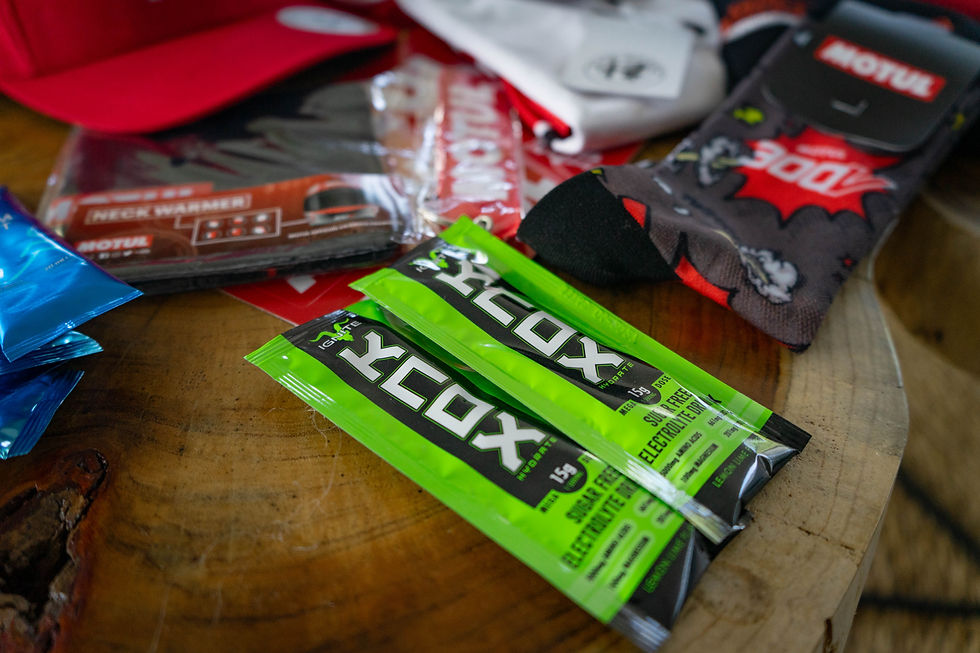
Hydration, in particular, plays a critical role in this environment. Electrolytes help regulate fluid balance, support muscle function, and prevent fatigue, all of which become increasingly important under heat and pressure. Brands like Quinton and Knox Hydrate formed part of that routine, offering a more measured approach to staying race-ready. Alongside this, Nutri-Go provided protein-based snacks that prioritised sustained energy over convenience.
For spectators, Simola is an experience filled with indulgence. Food stalls, refreshments, and a relaxed atmosphere away from the track. But for the drivers, the reality is far more controlled. Sealed into race suits and helmets, sitting in heat-soaked cabins, the focus shifts entirely to function. What goes into the body matters just as much as what goes into the car.
The Unlikely Hero
And speaking of heat.
Step out of the car after a run and it becomes immediately apparent. The sun overhead, the residual heat from the engine, the confinement of race suits and helmets; it all builds into an environment that is far from forgiving.
Unlike a road car, there is no comfort to fall back on. Air conditioning is not part of the equation. In a race setting, every ounce of the car’s energy is directed towards performance. There is no room for luxury.
Which is what makes the presence of Solenco all the more interesting.

Through the MeacoFan 260C, a product more commonly associated with bedside tables or outdoor leisure, the brand found an unexpected but highly relevant place within the Alfa Romeo setup. Positioned within the team’s tent, the fans became a practical solution for drivers stepping out of high-intensity runs, offering immediate relief and a way to reset before the next session.
It is a small detail on paper, but one that speaks volumes in practice. Cooling the body, regulating temperature, and allowing drivers to recover even marginally faster can make a meaningful difference over the course of a demanding day.
With up to 14 hours of use on a single charge, the fans required little attention once in place. Much like the drivers’ preparation the night before, from nutrition to rest, they were simply part of the system, ready to perform when needed.
In a space where every element is engineered for performance, it is often the most unexpected additions that prove to be the most effective.

What emerges from the Alfa Romeo effort at the Simola Hillclimb is a broader understanding of what performance looks like today.
It is no longer defined solely by engineering or outright speed, but by a combination of elements working in sync. The car, the driver, and the environment around them all play a role, each contributing in ways that are not always immediately visible.
And perhaps that is what stood out most. That in a setting built on speed and precision, it is often the quieter, less obvious details that help hold everything together.


