


10 Deadly Habits to Leave in 2025 And What to Replace Them With in 2026

Updated: Mar 1

2026 where do we even begin? Burnout. Brain rot. Low attention spans. Doomscrolling. AI content. Short-form everything. Junk food. Subscriptions. A brutal cost of living. Burnout.
Culturally, it’s been relentless. Trials. Exposé. Documentaries. Public deaths. All's fair. Stranger Things. The Spongebob movie. 6-7. A lot happened in 2025. And much of it followed us into 2026. All of it makes modern life feel hostile to growth.
Trying to build new routines in this environment feels almost naïve. How do you improve when the systems around you are designed to fragment attention, hijack dopamine, and keep you tired just enough to cope but not enough to change?
That question pushed me into neuroscience. The study of how the brain adapts, rewires, and protects itself and not just in your twenties, but well into adulthood.
What Neuroplasticity Is ?
Neuroplasticity is the brain’s ability to reorganize itself by forming new neural connections throughout life. For decades, scientists believed the brain stopped changing after early adulthood. That theory has been thoroughly debunked. Research published in Nature Reviews Neuroscience confirms that the adult brain remains plastic, capable of learning, rewiring, and adapting in response to experience.
Every time you learn something new, practice a skill, or repeat a behavior, your brain physically changes to make that behavior easier to do in the future. When it comes to habits, neuroplasticity is the underlying reason why behaviors become automatic over time.
How Does Neuroplasticity Works?
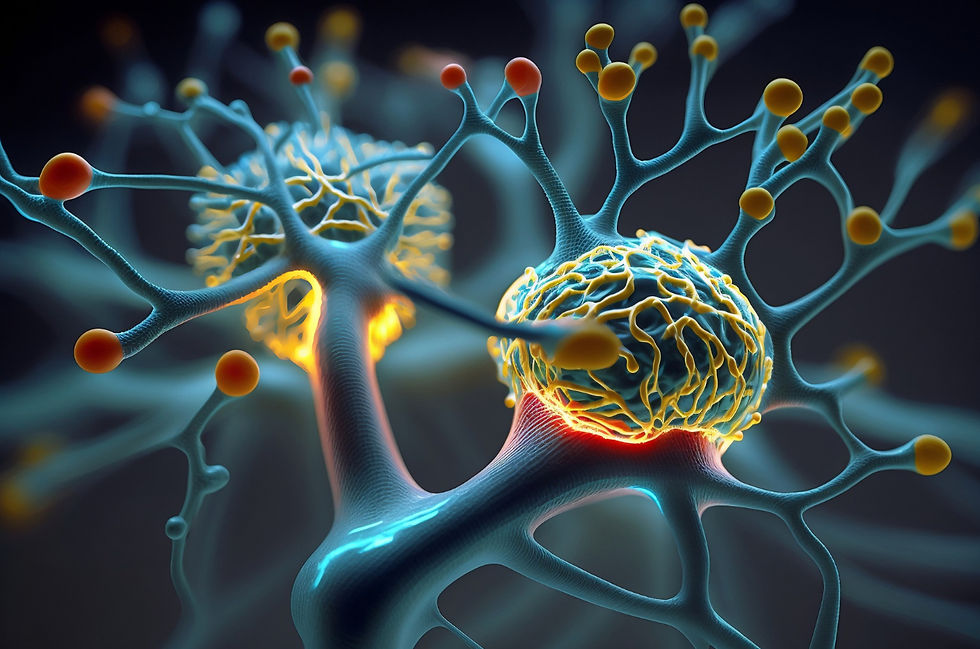
Your brain has billions of neurons. Each neuron can connect to thousands of others through synapses. Every time you repeat a thought, action, or habit, the connections between the neurons involved get stronger. Repeating a habit strengthens its neural pathway. Repeating a new, positive behavior builds a new pathway. At first, it’s effortful, but with consistency, it becomes smoother and eventually automatic.
Connections that aren’t used weaken and fade away. This is why stopping a bad habit works better if you replace it with something else; the old pathway isn’t actively reinforced. Neuroplasticity is influenced by rewards, when you do something that makes you feel good, your brain releases dopamine. Dopamine tells your neurons, “remember this, do it again!” That’s why habits are easier to form when they’re satisfying and require no effort.
So technically your brain isn’t fighting you when you try to change. It’s simply waiting for enough evidence to believe the new behavior is worth keeping.
Why Change Feels Hard?
Have you ever wondered why change feels hard, the truth is your brain is not designed to make you fulfilled, happy or successful, It’s designed to keep you alive. Your brain’s primary job is to survive. It scans for threats. It looks for efficiency. It clings to familiarity. It constantly searches for evidence to support what you already believe about yourself, your environment, people around you, and about what’s possible.
This is why when you try to improve your life, your brain can feels like your number one enemy. It resists new routines, it pulls you back to old habits. It whispers that scrolling is safer than trying, that comfort is better than growth.
But the good news is the brain is adaptable; highly adaptable. Neuroplasticity doesn’t expire with age. With repetition, intention, and the right cues, your brain can be trained to work for you instead of against you.
Why Bad Habits Form Easily?
Bad habits form easily because they offer immediate relief, emotional relief, certainty, or distraction and require low effort. Research from MIT shows that once a behavior delivers a reward, the brain begins to automate it, conserving energy by running it on autopilot. This is why scrolling, snacking, procrastinating, or avoiding discomfort feels almost effortless.
James Clear, author of Atomic Habits, explains it simply "behaviors that solve an immediate problem get repeated, even if they create long-term ones." This is often described as the "short-term fix". Your brain will always choose what feels safest right now rather than what’s best for your future.
Good habits take longer because they often delay reward. But once you understand how habits actually form, how cues, cravings, behaviors, and rewards wire together, life becomes a little easier.
So before we talk about what habits to build in 2026, we need to talk about what to let go of. And before that, we need to understand what’s really happening inside your brain when you fall into patterns that don’t serve you and how to replace them with ones that actually stick.
How Habits Are Formed in the Brain
Habits live primarily in the basal ganglia, a region responsible for pattern recognition and automatic behaviors. Every habit follows a neurological loop:
Cue – a trigger (stress, boredom, time of day)
Craving – the desire for relief or reward
Response – the behavior
Reward – dopamine release that reinforces the loop
A landmark study by researchers at MIT found that once this loop is established, the brain can run the behavior with minimal conscious involvement. That’s why habits feel hard to “stop” becasue they’re no longer decisions, but programs. To let go of a bad habit, you need to replace it with another habit. Here are the 10 most damaging habits to quit now and the ones that will pay dividends when you adopt them instead.

1. Doomscrolling Before Sleep and After Waking
Mindlessly scrolling through social media or news before bed increases exposure to negative content, elevating cortisol and stress levels. Studies show that bedtime screen use disrupts sleep quality and cognitive function, while morning exposure sets a stress tone for the day.
2. Comparing Yourself to Others
Frequent social comparison especially via curated online feeds is linked to higher levels of anxiety, depression, and lower self-esteem. Research indicates that individuals who constantly benchmark against peers experience greater emotional instability and lower life satisfaction.
3. Gossiping
Gossip may feel socially bonding, but studies show that engaging in negative talk about others correlates with increased stress and poorer workplace cohesion. It also activates neural circuits associated with judgment and fear, reinforcing negative thinking patterns.
4. Drinking Alcohol Before Bed
Alcohol may help induce sleep initially, but research shows it reduces REM sleep, fragments sleep cycles, and leads to daytime fatigue. Chronic late-night drinking is linked to cognitive impairment and metabolic stress.
5. Eating a Lot of Processed Foods
Diets high in ultra-processed foods are associated with obesity, diabetes, cardiovascular disease, and impaired cognitive function. Large cohort studies show a significant correlation between ultra-processed food consumption and higher risk of chronic disease and mood disorders.
6. Procrastination
Delaying tasks is more than poor time management; it’s linked to higher stress, lower productivity, and decreased mental wellbeing. Studies identify procrastination as an emotional regulation issue, where people avoid tasks that evoke discomfort, leading to chronic stress.
7. Sleep Deprivation
Chronic lack of sleep is connected to impaired memory, reduced cognitive function, weakened immunity, and increased risk of cardiovascular disease. Even moderate sleep deprivation affects emotional regulation and decision-making.
8. Overeating
Regularly eating beyond fullness increases inflammation, metabolic strain, and long-term risk of obesity and related diseases. Studies show that habitual overeating affects not just weight but cognitive and emotional regulation.
9. Overuse of Energy Drinks
Excessive energy drink consumption can disrupt sleep, raise anxiety, and affect cardiovascular health. Studies indicate that high caffeine spikes alter stress hormone levels and impair alertness over time.
10. Negative Self-Talk
Persistent self-criticism is linked to increased stress, depression, and learned helplessness. Neuroscience shows repeated negative internal dialogue reinforces neural pathways associated with anxiety and poor emotional regulation.
7 Good Habits That Will Improve Your Life

These are backed by behavior science and lived experience across executives, athletes, and thinkers:
1. Drink More Water
Hydration is a fundamental to cognition and metabolism. Studies show even modest hydration lifts energy and sharpens focus.
2. Morning Stretching
A gentle movement will awaken your nervous system, increases circulation, and reduces stress and it’s a physical cue to your body that the day has begun.
3. Walks After Eating
Post‑meal walks will help with your blood sugar regulation, digestion, and mood. Small movement beats sitting for hours with zero activity.
4. Being Social
Real‑world social interaction supports emotional health, boosts resilience, and decreases depression risk.
5. Having a Hobby
Engaging in enjoyable, non‑work activities will strengthen your creativity, emotional balance, and a sense of self outside your professional identity.
6. Reading Books
Reading expands empathy and cognitive flexibility, and even a few pages a day will change your perspective.
7. Journaling
Reflective writing clarifies goals, dissolves internal noise, and supports emotional regulation. Studies link journaling to reduced stress and enhanced cognitive control.
Bad habits don’t disappear because you want them gone. They disappear when you replace them with better routines that are easier to maintain and more rewarding. You can't rely on willpower to transform your life, you need to rely on systems. And 2026 is the year for you to design routines and habits that will make you stronger, healthier, and more resilient than the year before.


